
Binance is one of the largest cryptocurrency exchanges in the world, with millions of users across different countries and time zones. For both beginners and experienced traders, understanding what time zone Binance follows is essential for coordinating trades, monitoring market openings, and tracking candlestick chart patterns. Unlike traditional stock exchanges that operate within specific local hours, Binance runs 24/7, but it still uses a reference time zone—UTC (Coordinated Universal Time), often displayed as UTC+0. This means that all time stamps on order history, chart data, and server-side features are based on UTC unless you manually adjust your account settings.
When you log into your Binance account, the platform automatically detects your local time zone through your browser or device settings. However, for certain functions like API keys, futures trading, and K-line intervals, the system defaults to UTC+0. For instance, if you are in New York (EST, UTC-5) and you see a candle closing at 08:00 on Binance, the actual local time would be 03:00. This time zone standard helps create consistency for the global user base, but it can be confusing if you are used to a different time reference. You can change the displayed time zone in your Binance settings by going to “Preferences” and selecting your region or manually entering the UTC offset.
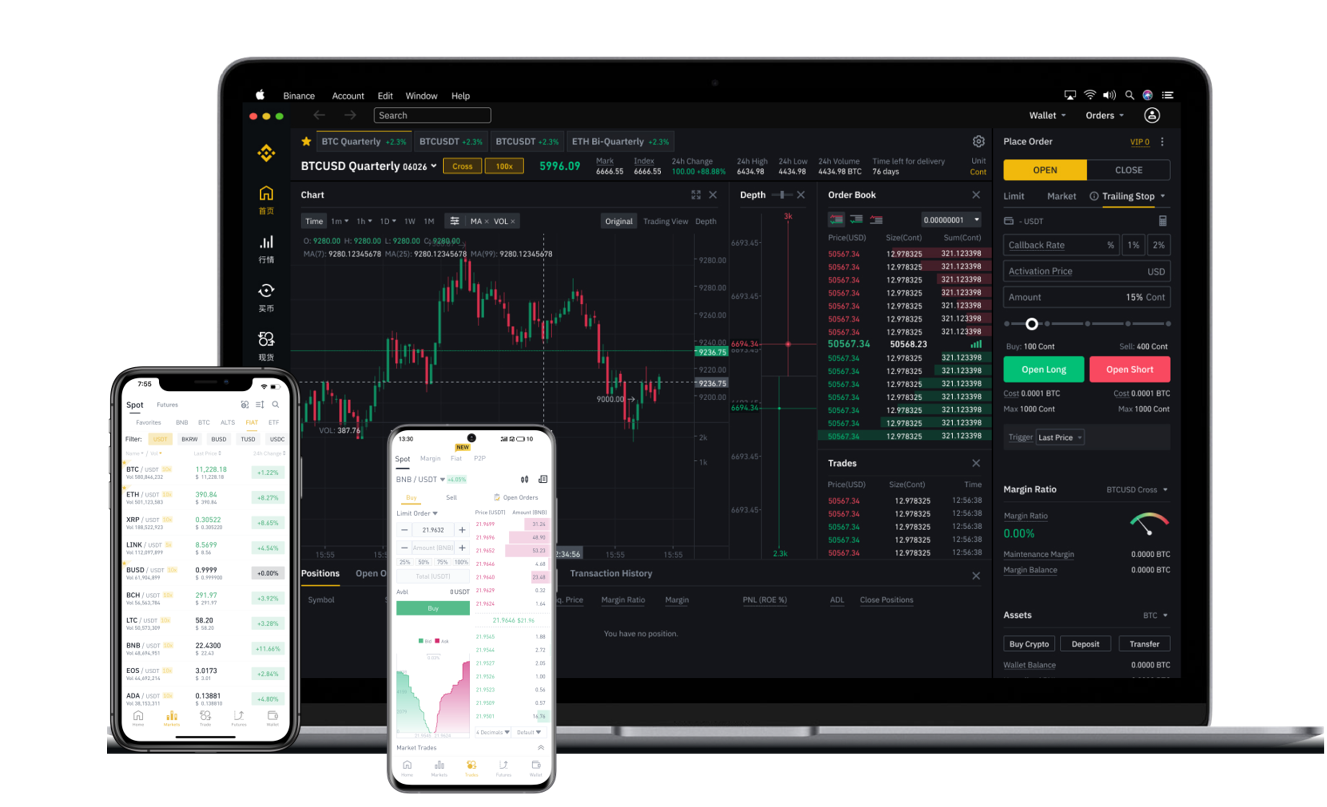
To use Binance effectively, you first need to create an account and complete the identity verification (KYC) process. After logging in, you will see the main interface where you can buy, sell, or trade cryptocurrencies. The spot trading page shows a chart with price action, and you can adjust the time frame (1m, 5m, 1h, 1d, etc.). Because Binance uses UTC, a “daily” candle starts and ends at midnight UTC, not midnight in your local time. If you are a swing trader who analyzes daily closes, you should be aware that your local “end of day” may not match the exchange’s candle close. This is especially important when setting stop-losses or take-profit orders based on daily support and resistance levels.
Another important aspect is the use of Binance’s “P2P” or “Convert” feature for buying crypto. When you deposit fiat currency or trade with peer-to-peer, the transaction time is also recorded in UTC on the blockchain. However, your local time may appear in transaction receipts and email confirmations depending on your account settings. To avoid confusion, many traders keep their Binance display in UTC while using a separate world clock or browser extension to translate times. For example, if a major Bitcoin futures contract expires at 08:00 UTC, and you are in Tokyo (UTC+9), the expiration occurs at 17:00 local time. Missing this deadline could result in automatic liquidation or settlement, which is why time zone awareness is critical.
Beyond time settings, using Binance also requires understanding its fee structure, order types, and security features. Most users start with the “Spot” market, where you can place market orders, limit orders, and stop-limit orders. For more advanced strategies, Binance offers margin and futures trading, both of which use UTC time stamps for funding rates and contract settlement. The funding rate, which is a periodic payment between long and short traders, happens every 8 hours at specific UTC times (00:00, 08:00, 16:00). Knowing these exact times allows you to plan your entries and exits to avoid paying high funding fees.
To make your trading more time-efficient, you can use Binance’s mobile app, which also allows you to set alerts and notifications based on UTC or local time. For API users, it is critical to understand that all server-side timestamps are in UTC, and incorrect time synchronization can cause API errors. Binance recommends synchronizing your computer clock with a reliable NTP server to avoid authentication failures. Additionally, for users who participate in Binance Launchpad or staking events, the start and end times are always communicated in UTC, so converting to your local time is necessary to secure allocations or rewards.
In summary, Binance operates on UTC (UTC+0) as its default time zone, but the platform allows you to change the display to your local time. Being aware of this default is essential for reading charts, executing trades, and managing positions. To use Binance properly, start by setting your time zone preference in your account settings, understand the UTC-based schedule for futures and staking, and always double-check critical times like funding payments or candle closes. With this knowledge, you can navigate the exchange more confidently and avoid costly timing mistakes.