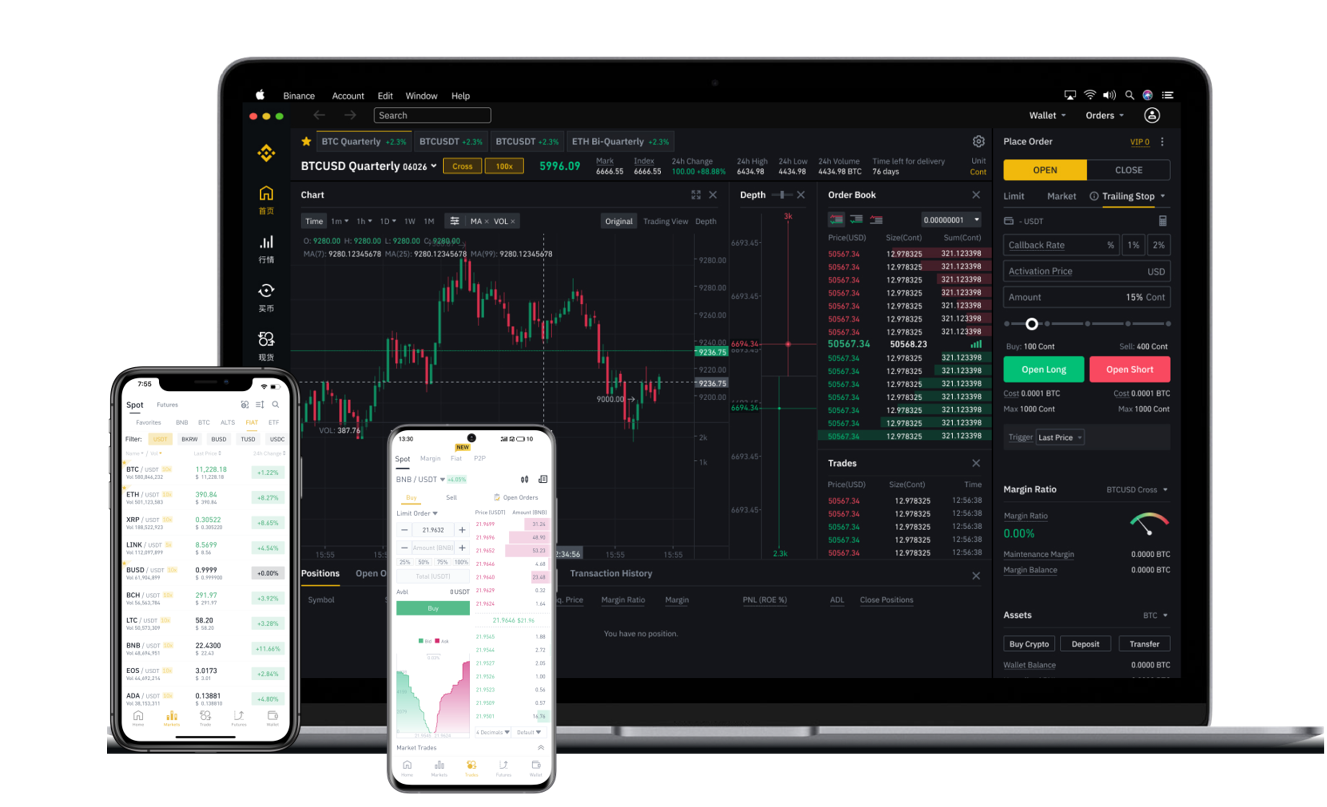
When traders ask "Binance exchange contracts how is it," they are typically referring to Binance Futures, one of the most popular derivatives trading platforms in the cryptocurrency market. Binance Futures offers a wide range of features that appeal to both beginners and professional traders, but it also comes with significant risks that every user should understand before committing capital.
One of the most attractive aspects of Binance Futures is its extensive selection of trading pairs. Users can trade perpetual contracts and delivery futures on hundreds of cryptocurrencies, including Bitcoin, Ethereum, and a vast array of altcoins. This allows traders to gain exposure to price movements without actually holding the underlying asset. Additionally, Binance offers high leverage options, sometimes up to 125x on major pairs. While high leverage can amplify profits, it also exponentially increases the risk of liquidation, meaning a small adverse price move can wipe out an entire position.
The platform provides two main types of contracts: USDⓈ-M and COIN-M. USDⓈ-M contracts are settled in stablecoins like USDT or BUSD, which simplifies profit and loss calculations for most traders. COIN-M contracts are settled in the underlying cryptocurrency, such as BTC or ETH, which can be advantageous for those who want to accumulate more of the base asset. Each type has its own margin requirements and funding rates that traders must monitor closely.
Risk management tools are a critical part of the Binance Futures experience. The platform offers features like stop-limit orders, trailing stop loss, and take-profit orders to help automate exit strategies. However, the volatile nature of crypto markets means that during flash crashes or rapid price spikes, slippage can occur, and stop orders may not execute at the expected price. This is particularly dangerous when using high leverage. Furthermore, Binance uses a "mark price" system to prevent unnecessary liquidations caused by short-term market manipulation, but this does not eliminate the risk entirely.
Another key consideration is the fee structure. Binance Futures uses a maker/taker fee model. Makers (those who add liquidity to the order book) typically pay lower fees, while takers (those who remove liquidity) pay higher fees. VIP tier levels, based on 30-day trading volume and BNB holdings, can significantly reduce these fees. Traders should factor in these costs, as frequent trading with high leverage can quickly eat into profits.
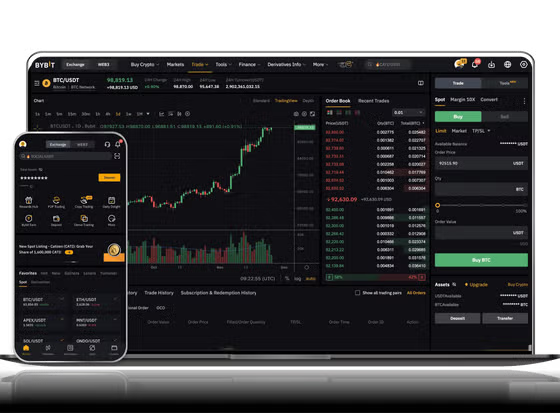
User experience on Binance Futures is generally smooth, with a robust mobile app and desktop interface. The platform provides advanced charting tools using TradingView technology, along with real-time data on open interest, funding rates, and liquidation levels. Educational resources and demo trading are available, which is helpful for new users to practice without risking real funds.
Despite these benefits, there are notable drawbacks. Regulatory uncertainty around Binance in various countries can lead to sudden service restrictions or account limitations. Additionally, the platform has experienced system outages during periods of extreme volatility, which prevented some users from closing positions. Customer support response times have also been criticized by some users during high-traffic events.
In summary, Binance Futures offers a powerful, feature-rich environment for crypto derivatives trading. The contract selection, leverage options, and advanced tools make it a go-to platform for many active traders. However, the high risks associated with leveraged trading, combined with potential liquidity issues and regulatory risks, mean it is not suitable for everyone. Only those with a solid understanding of futures mechanics, risk management, and a willingness to accept potential total losses should consider using Binance Futures. For anyone new to the space, starting with a small position and using the demo account is highly recommended before trading with real funds.