
Binance has grown to become one of the most recognized cryptocurrency exchanges in the world since its launch in 2017. Many traders and investors ask, "How is Binance exchange?" The short answer is that it offers a comprehensive platform for both beginners and advanced users, but it also comes with certain risks and regulatory challenges that users need to understand.
First, Binance stands out for its extensive range of supported cryptocurrencies. With over 350 coins and tokens available for trading, it provides more options than most competitors. This includes major assets like Bitcoin and Ethereum, as well as numerous altcoins and new project tokens. For users looking to diversify their portfolio, this variety is a significant advantage.
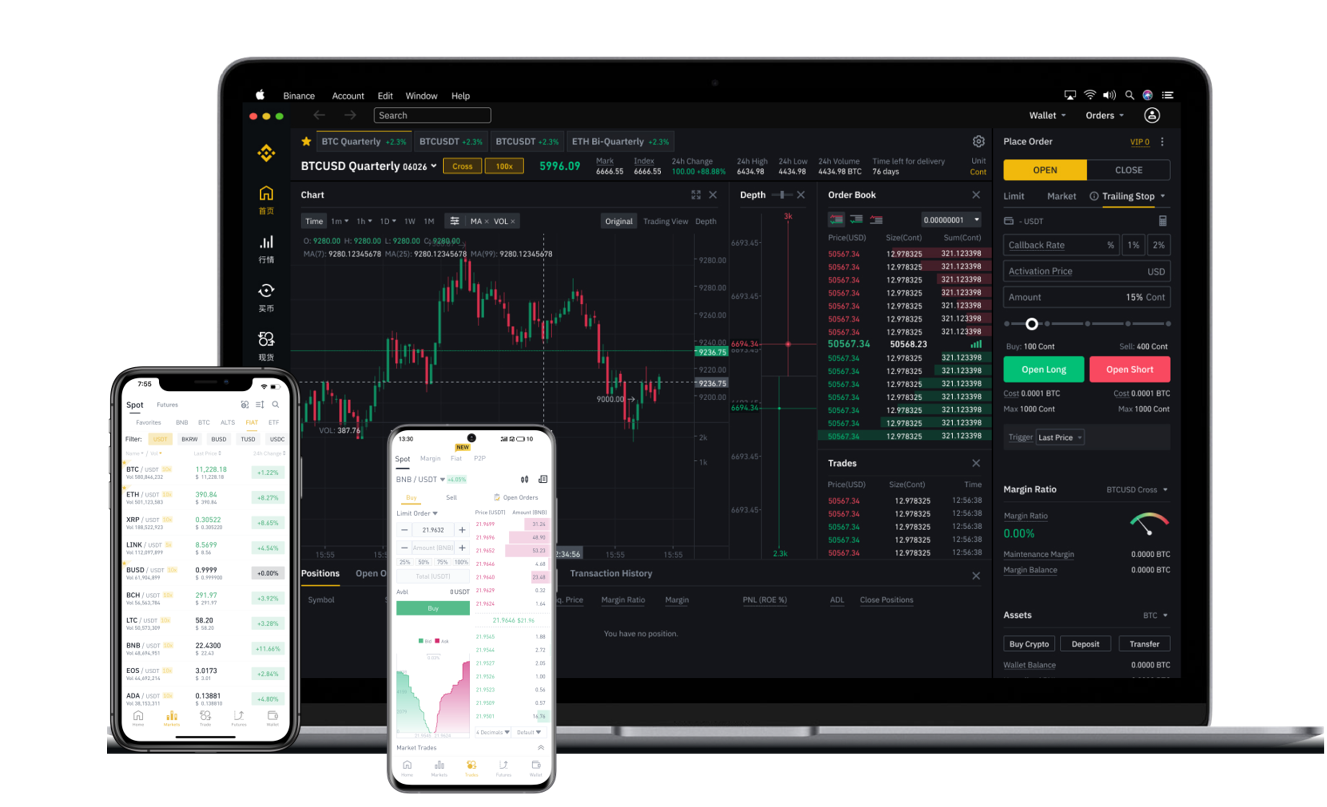
Second, the trading experience on Binance is highly customizable. The platform offers multiple interfaces, including a basic view for newcomers and an advanced professional trading interface with charting tools, order types like limit, market, and stop-limit, and margin trading options. Binance also provides futures trading with leverage up to 125x, though this is only suitable for experienced traders due to high risk.
Security is a critical factor when evaluating any exchange. Binance employs several security measures, including two-factor authentication (2FA), withdrawal whitelists, and the Secure Asset Fund for Users (SAFU), which is an emergency insurance fund that has covered losses from past security incidents. However, the exchange has experienced security breaches in the past, most notably a major hack in 2019 where 7,000 BTC was stolen. While Binance covered all user losses, it is important to remember that no centralized exchange is completely immune to risk.
Fees on Binance are among the lowest in the industry. The standard trading fee is 0.1% per trade, and this can be reduced further by holding Binance's native token (BNB) or by having higher trading volumes. Deposit fees vary depending on the method, but cryptocurrency deposits are generally free. This low fee structure makes Binance attractive for high-frequency traders and those who make many small transactions.
Regarding regulation, Binance has faced increasing scrutiny from financial authorities worldwide. Some countries, including the United Kingdom, Japan, and Canada, have issued warnings or restricted Binance's services. As a result, Binance has moved to establish separate, regulated entities in different jurisdictions. In the U.S., for example, users must use Binance.US, a separate platform that complies with local regulations and offers fewer coins than the global version.
User experience is generally positive, with most users praising the platform's speed, liquidity, and reliability. The mobile app is well-designed and allows for trading on the go. However, some users report that customer support can be slow, particularly during periods of high market volatility. The platform also requires identity verification (KYC) for most features, which may be inconvenient for those who value privacy.
In summary, Binance offers a powerful, low-cost trading environment with an exceptional selection of assets. Its advanced tools make it suitable for serious traders, while security measures provide reasonable protection for funds. However, potential users must be aware of the regulatory risks in their own country and the possibility of future restrictions. By understanding both the strengths and limitations, traders can decide if Binance is the right exchange for their needs.